Storage water heater maintenance: what to check and when to call a professional

Water Heaters
Nov 07, 2026
Water heater maintenance starts with noticing changes in everyday use: moisture around the unit, unfamiliar sounds or hot water that is less consistent than usual. Keep checks external, note what has changed and leave draining, descaling and internal work to a suitably qualified professional.
If you own a Volga storage water heater in Nigeria, this checklist will help you decide what to record and when to seek help. Your next service date should follow the instructions for your exact model, with professional advice on the installation and water conditions.
Electrical warning signs, steam, unexpectedly scalding water or a leak need attention before the next scheduled service. The guidance below explains when to stop using the heater and keep clear.
What can you check safely?
Look from a dry, safe position during normal use. Keep covers closed, avoid touching fittings to investigate a fault, and leave anything out of reach to a professional.
What you notice
What to record or do
Water beneath the heater, damp patches or moisture around visible connections
Stop using the heater and arrange an assessment. Keep clear if water is near electrical parts; do not approach the leak to locate its source.
Rust marks, damaged casing or a visible change around the mounting
Report the change. Do not push, lift or adjust the heater to investigate.
New rumbling, popping or a change in the usual operating sound
Note when it happens and whether hot-water performance has also changed.
Less hot water than usual or a noticeably longer wait
Note whether household demand or the available heating time has changed. Persistent changes need assessment.
An error message or warning light
Record the exact indication and follow the model's instructions.
Repeated electrical tripping
Stop using the heater and get urgent qualified help. Do not bypass protection or repeatedly reset the fault.
Changes in noise, water colour or heating performance can help a technician assess the problem, but they don't identify the cause on their own. (Rheem maintenance guidance) Leave tests such as opening electrical covers, operating relief valves or draining the tank to the professional.

When should you stop using the heater?
Stop using it and get urgent help for electrical warning signs. These include a shock or tingling sensation from the heater, shower, tap or another metal fitting; burning smells; scorch marks; crackling; or repeated circuit-breaker trips.
If you feel a shock or tingle, keep everyone away from the area. Do not touch the heater, taps, metal fittings or switchboard to investigate or turn things off. Contact your electricity distribution company or a qualified electrician urgently, and seek medical attention after an electric shock. See the Electrical Safety Office's shock guidance.
For other electrical warning signs, leave the equipment unused and arrange assessment. Do not touch a hot, wet or damaged switch. Electrical Safety First explains the warning signs to look out for in a bathroom.
Steam from a hot tap, unexpectedly scalding water or a leak also means you should stop using the heater and arrange professional attention. Water leaking onto electrical connections or switches, or flooding around electrical equipment, needs urgent help. Keep clear of the wet area; do not approach a leak to locate its source. The Electrical Safety Office warns that water-damaged electrical equipment can cause electric shocks and fires.
For these non-shock faults, switch off the supply only if the normal isolating switch is dry, undamaged and safely accessible without approaching water or a suspected electrical hazard. Otherwise keep clear and have a professional make it safe. After a shock or tingle, follow the keep-clear advice above instead.
Some storage systems release water through a safety valve during heating. That does not make every leak normal. Persistent, changed or unfamiliar discharge needs assessment, and a relief outlet must never be blocked to stop dripping. (Ariston SLIM3 safety manual, p. 13)
How often does a storage water heater need servicing?
There is no single service calendar for every storage heater. Use the manufacturer's maintenance instructions for your exact model, then ask your service professional to confirm the next visit and what it should cover.
Different tasks can have different intervals. A general recommendation to flush every six months or service once a year should not replace the schedule in the model's technical documents. (Ariston Nigeria: maintenance guidance)
Use these practical checkpoints for storage water heater maintenance:
During normal use: notice changes without opening or adjusting the appliance.
When a fault appears: get help according to its urgency, even if a service visit is not yet due.
At the documented service date: arrange the work specified for your model.
If the history or manual is missing: request a professional assessment and a written plan.
Ask the technician to write down the next date and why that interval suits your heater. Keep it with the service invoice so you don't have to rely on memory.
What should a professional check?
Water heater servicing should match the model and the problem reported. Depending on the design and instructions, the visit may cover the tank and connections, safety-valve arrangements, heating controls, electrical condition, sediment or scale, and an anode if fitted. An anode is a component used in some heaters to help protect the tank against corrosion.
Ask the technician to explain the findings and which tests, cleaning or replacement parts are needed. The model's maintenance instructions determine the work and any authorised-service requirements. (A.O. Smith ELJH manual, p. 11) Manuals linked in this guide are examples from other manufacturers; they do not establish Volga's service schedule or components.
For electrical installation work in Nigeria, check the appropriate qualifications and certification from the Nigerian Electricity Management Services Agency (NEMSA). Also confirm experience with storage water heaters and any manufacturer authorisation required for your unit.
Before agreeing to work, ask what the visit includes, what would justify replacing a part, and what the quoted price covers.
What to tell the technician
Describe when the problem started and what has changed in your home's water supply, power supply or hot-water use. You don't need to diagnose the fault before asking for help.
Water source: mention a borehole, stored supply, pump, treatment equipment or recent change in supply where relevant. Water hardness mainly refers to dissolved calcium and magnesium, which can contribute to scale when water is heated. Borehole use alone doesn't establish the water's hardness or quality. Ask whether testing is appropriate before choosing treatment.
Power supply: mention recent outages and whether the symptom appears after supply returns or when a generator or inverter is in use. Leave wiring and protective devices alone.
Hot-water use: explain whether more people are using hot water, several outlets are running together, or the heater has stood unused. If demand has changed, Volga's water-heater sizing guide can help you prepare your household requirements. It supports a capacity discussion; a persistent fault still needs assessment.
Keep a simple water heater care record
A phone note or folder is enough. For your Volga heater, keep these details together:
Model details from your receipt, documents or a safely readable label.
Installation date, if known, and previous service invoices.
The symptom, when it began and any display message.
Relevant water-supply, power-supply or usage changes.
Work completed, parts replaced and the technician's findings.
The next recommended check, its date and the reason for that interval.
Photographs can help if taken safely from a distance. Don't approach a leak or electrical hazard to get a better picture.

Frequently asked questions about water heater maintenance
1. What if I cannot find my Volga manual?
2. What should I do if I rent the property?
3. Can I clean the outside of the heater myself?
4. Does needing a service mean I need a new heater?
Plan your next step with Volga
Already own a Volga storage heater? Keep your model details and care record together, then contact Volga to request the documentation for your unit. Use it with your service professional to plan the work your heater needs.
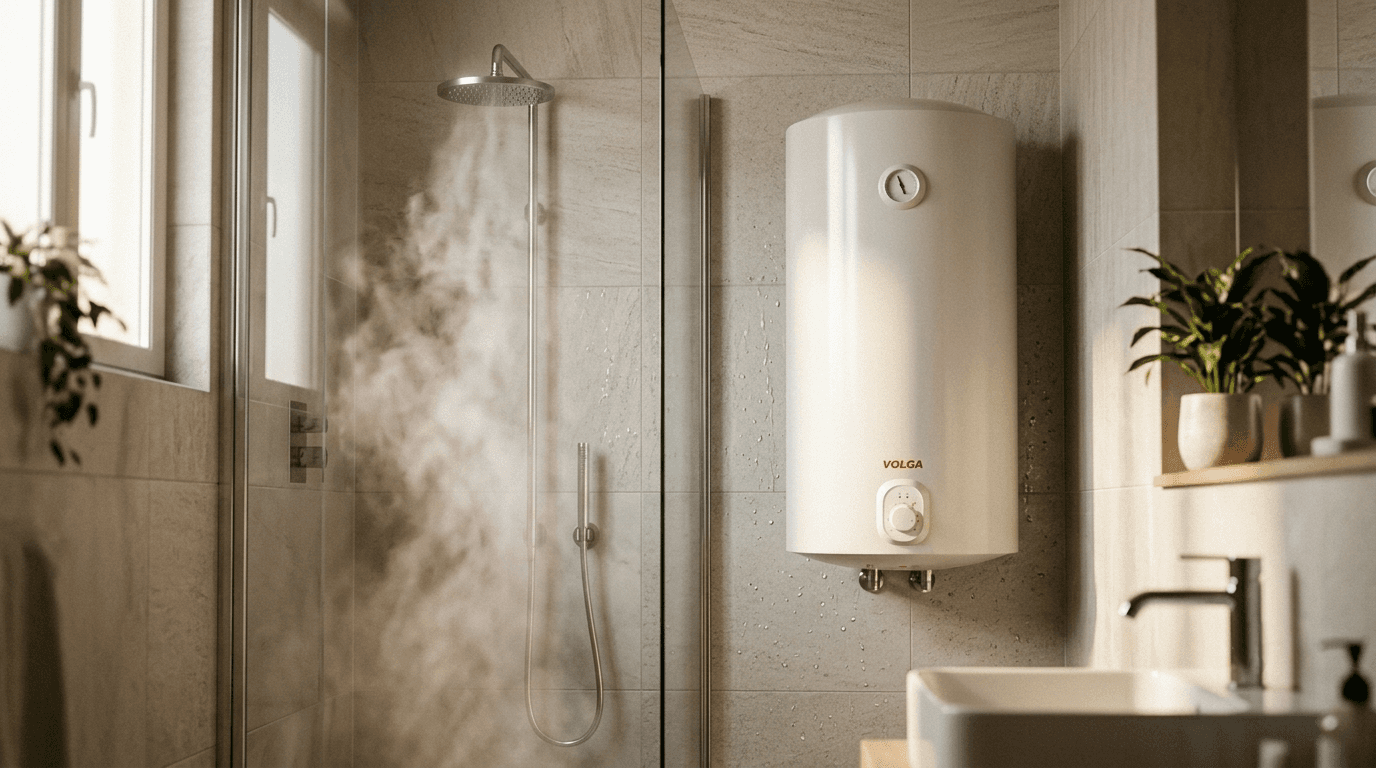
For a new bathroom or a replacement recommended after assessment, explore Volga storage water heaters in Nigeria. The range includes the square and cylindrical designs pictured in this guide. Ask Volga for current specifications and availability, and discuss installation and ongoing care before choosing a model for your home.

Related Articles