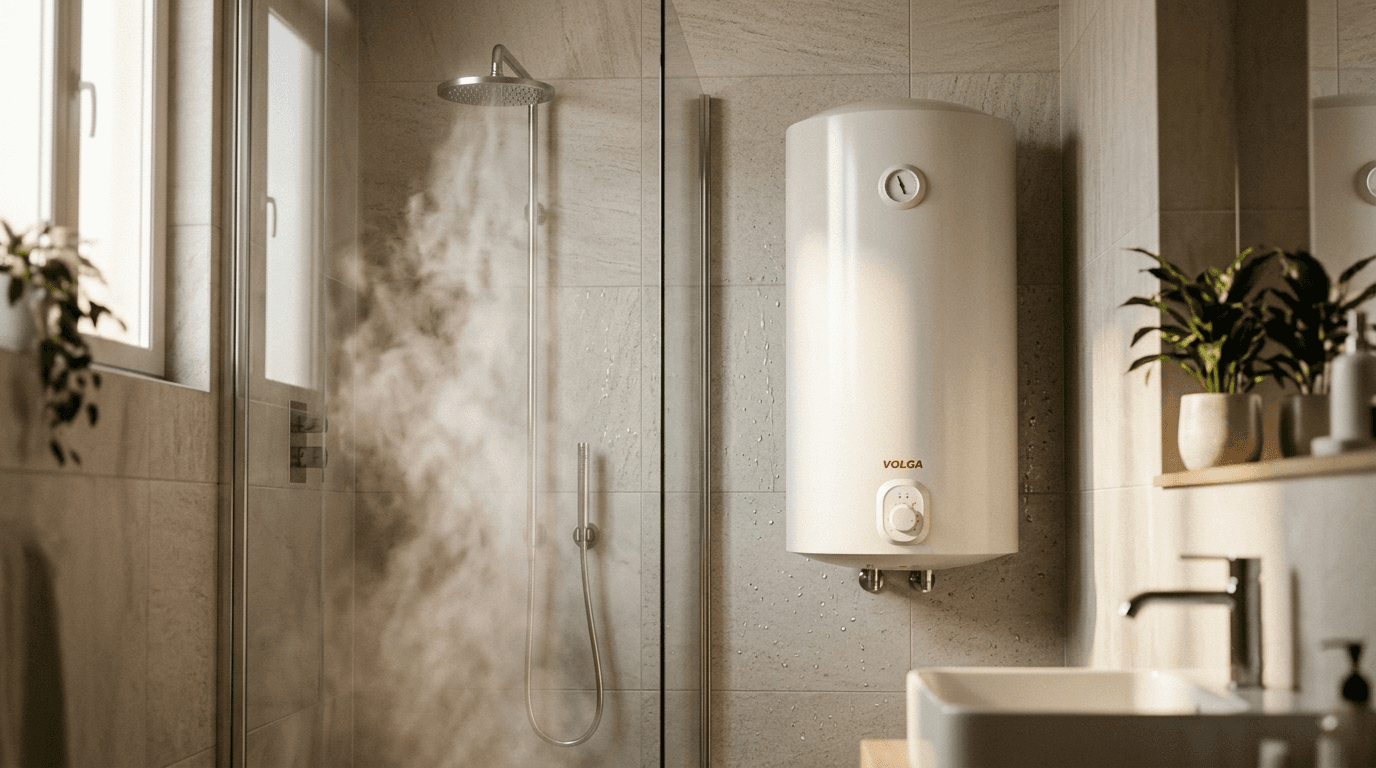
Your Guide to Water Heater Installation in Lagos

Water Heaters
Aug 22, 2026
Introduction
If you've never had a water heater installed before, the process can feel more technical than it needs to be. Between choosing tank size, storage versus instant units, and figuring out whether your wiring can even cope, it's easy to get overwhelmed - especially with so many different products and opinions floating around.
This guide breaks it down in plain terms. It's written for homeowners, tenants, and small business owners in Lagos who want to understand what installation actually involves before they buy, so they can ask the right questions and avoid the mistakes that lead to reduced performance, higher electricity bills, or an early replacement.
We won't be quoting prices, warranty terms, or delivery timelines here, since these vary by product and should always be confirmed directly on the product page. What this guide focuses on is the practical side: what installation involves, what to check beforehand, and how to make a confident buying decision.
Main Content
What Is Water Heater Installation?
Water heater installation is the process of fitting a water heating unit - whether it's an instant heater, a storage tank, or a point-of-use system – into your home's plumbing and electrical setup so it can safely and consistently supply hot water. It covers more than just mounting the unit on a wall. Proper installation includes electrical connection (or gas connection, for gas units), water inlet and outlet fitting, pressure relief provisions, and positioning that allows for safe operation and future maintenance.
Done well, installation is what separates a water heater that lasts for years from one that develops faults within months.
Types of Water Heaters and How Installation Differs
Instant (tankless) water heaters heat water as it passes through, rather than storing it. They're compact and popular in Lagos apartments where bathroom space is limited. Installation typically involves mounting the unit close to the shower point and confirming the electrical circuit can handle the heater's load - this is one of the most common points of failure when installation is rushed.
Storage water heaters hold and heat a set volume of water, releasing it as needed. They need more wall or floor space, a stronger mounting point due to the weight of a full tank, and usually a pressure relief valve as part of the installation. They tend to suit households with multiple bathrooms or higher simultaneous hot water demand.
Solar water heaters, while less common in residential Lagos setups, require outdoor panel placement with clear sun exposure, plus a connection to a storage tank. Installation here is more involved and usually needs a specialist familiar with solar systems specifically.
What to Check Before Installation
Before any unit goes up on the wall, a few things are worth confirming:
Electrical capacity - Many instant water heaters draw significant current. If your circuit or wiring isn't rated for it, you risk tripped breakers or, worse, overheating wires.
Water pressure and supply - Low or inconsistent water pressure, which isn't unusual in parts of Lagos depending on your source, can affect how well certain heaters perform.
Wall or mounting strength - Storage tanks especially need a wall (or stand) that can support the weight of the unit when full.
Ventilation - Relevant mainly for gas units, where proper venting is a safety requirement, not an optional extra.
Space for maintenance access - Installers sometimes mount units in tight corners for aesthetics, which makes future servicing harder than it needs to be.
Expert Tip: Before buying, measure the space where the heater will go and check what's already running on that electrical circuit. It takes ten minutes and can save you from buying a unit that isn't compatible with your setup.
The General Installation Process
While the specifics depend on the type of unit and the installer's approach, most installations follow a similar sequence:
Site assessment - Confirming the mounting location, electrical/gas supply, and water connection points.
Mounting the unit - Securing the heater to the wall or its designated position, using brackets rated for its weight.
Plumbing connections - Connecting the cold water inlet and hot water outlet, usually with isolation valves so the unit can be serviced later without shutting off water to the whole property.
Electrical or gas connection - Wiring the unit to a dedicated circuit (for electric heaters) or connecting and testing the gas line (for gas heaters).
Pressure and safety checks - Fitting a pressure relief valve where applicable, and checking for leaks at every joint.
Testing - Running the unit through a full heating cycle to confirm it reaches temperature safely and consistently.
Skipping or rushing any of these steps is usually where problems start.
Comparison Table
Factor
Instant (Tankless) Water Heater
Storage Water Heater
Installation complexity
Simpler, less space needed
More involved, needs a stronger mount
Electrical demand
Often higher instantaneous load
Lower instantaneous load, runs longer
Space required
Compact, wall-mounted
Larger footprint
Hot water availability
Continuous, but limited flow rate
Limited to tank volume, then reheats
Best For
Single bathroom, smaller households
Multiple bathrooms, higher demand households
Pros and Cons
Instant Water Heaters
Pros
Cons
Saves space
Can strain older wiring
No standby heat loss
Flow rate may drop with multiple points open
Continuous hot water supply
Higher instantaneous power draw
Storage Water Heaters
Pros
Cons
Handles multiple hot water points at once
Takes up more space
Lower instantaneous electrical load
Water runs out if tank is drained
Steady temperature output
Heavier, needs sturdy mounting
Buying Guide: Choosing the Right Water Heater
Determine your intended use. A single bathroom in a small flat has very different needs from a household running two or three bathrooms at once.
Set a realistic budget that accounts for both the unit and installation, not just the unit itself.
Compare capacity and specifications rather than picking based on brand recognition alone.
Check electrical compatibility before finalizing your choice - this is especially relevant for instant heaters.
Confirm what's included with the unit, since accessories like mounting brackets or hoses aren't always standard.
Review warranty terms directly on the product listing, since these vary by model and manufacturer.
Consider delivery and installation logistics for your specific building or estate.
Choose based on total value - the cheapest unit isn't always the most cost-effective once installation and running costs are factored in.
Common Installation Mistakes
Choosing a unit based on price alone, without checking electrical compatibility.
Why it matters: A heater that's too powerful for your existing circuit can trip breakers repeatedly or pose a safety risk.
What to do instead: Match the heater's power rating to what your electrical setup can actually support before buying.
Mounting the heater in a hard-to-reach spot.
Why it matters: Servicing or replacing parts later becomes far more difficult and costly.
What to do instead: Leave clear access space around the unit, even if it means a slightly less "tidy" bathroom layout.
Skipping isolation valves during installation.
Why it matters: Without them, any future repair means shutting off water to the entire property.
What to do instead: Have isolation valves fitted on both the inlet and outlet during installation.
Ignoring water pressure before buying.
Why it matters: Some units perform poorly under low or inconsistent pressure, a common issue in parts of Lagos.
What to do instead: Check your typical water pressure, or ask about pressure requirements before purchasing.
Assuming all installers understand every brand equally.
Why it matters: Installation details can differ between manufacturers and models.
What to do instead: Confirm the installer has handled your specific type of unit before, or follow the manufacturer's documentation closely.
Turning on the power to a storage water heater before it is full.
Why it matters: If the unit is powered on without water, the heating element can rapidly overheat and burn out, ruining the new system instantly.
What to do instead: After connecting your water supply to the heater, you need to allow the heater to fill up before turning the power on and connecting to the outlet valve
Expert Tips
Always test the unit through a full heating cycle immediately after installation, not days later. Catching a fault early is far easier to resolve than after the unit has been in regular use.
If you're in an older building with aging wiring, have the electrical circuit checked independently of the water heater installation itself. It's a separate job, but one that directly affects how safely your heater runs.Keep the area around the unit clear and dry.
Keep the original documentation and any installation notes. If you ever need support or a repair, having these on hand speeds things up considerably.
Best Practices
Have the unit serviced periodically, even if it's working fine, to catch early signs of wear.
Avoid overloading the same electrical circuit with other high-draw appliances.
Flush storage tanks occasionally to reduce sediment buildup, which affects heating efficiency over time.
Keep the area around the unit clear and dry.
Note the installation date somewhere accessible, so you have a reference point for future servicing or warranty claims.
Local Lagos & Nigeria Considerations
Customers shopping for water heaters in Lagos often deal with a few realities that shape their buying decisions: fluctuating voltage supply, varying water pressure depending on the source (borehole versus mains), and limited bathroom space in many apartment layouts across areas like Yaba, Surulere, and parts of the Island. These factors matter more than brand alone when choosing a unit.
For example, a family in a Lekki apartment prioritizing a compact instant heater may care most about how well it performs on the building's typical water pressure, while a small guesthouse in Ikeja running multiple bathrooms may lean toward a storage unit that can handle simultaneous use without a drop in temperature. These are illustrative examples of how needs differ, not references to specific VolgaPro customers.
Because voltage stability isn't guaranteed everywhere in Lagos, it's worth checking whether a unit has any built-in protection against surges, and confirming this with the seller or manufacturer documentation before purchase.
The installation steps overlap across these types, but the details - mounting weight, electrical load, and space requirements - differ enough that it's worth confirming which type suits your home before deciding on a unit.
AI Overview Summary
Water heater installation is the process of fitting and connecting a water heating unit - instant, storage, or solar - to a home's plumbing and electrical system so it delivers hot water safely and reliably. It suits homeowners, tenants, and small businesses who need dependable hot water and want to avoid costly mistakes down the line. Key benefits of proper installation include safer operation, better long-term performance, and easier future servicing. Buyers should consider electrical capacity, water pressure, mounting space, and maintenance access before choosing a unit. In Lagos, fluctuating voltage and variable water pressure make it especially important to confirm a unit's compatibility with local conditions before purchase. Choosing based on total value, not price alone, and using a qualified installer generally leads to better outcomes.
Conclusion
Water heater installation isn't complicated once you understand what it actually involves - but getting the details wrong, from electrical compatibility to mounting placement, is what leads to poor performance or early replacement. Taking the time to check your space, your wiring, and your household's actual hot water needs before buying puts you in a much stronger position to choose a unit that works well for years, not just weeks.
FAQs
1. Do you sell instant or tankless water heaters?
2. Can I use a storage water heater with a generator or inverter?
3. Can one storage water heater serve two bathrooms?
4. What should I check when buying through another seller?
5. What records should a landlord or short-let operator keep?

Related Articles